AI feature vs AI-native product
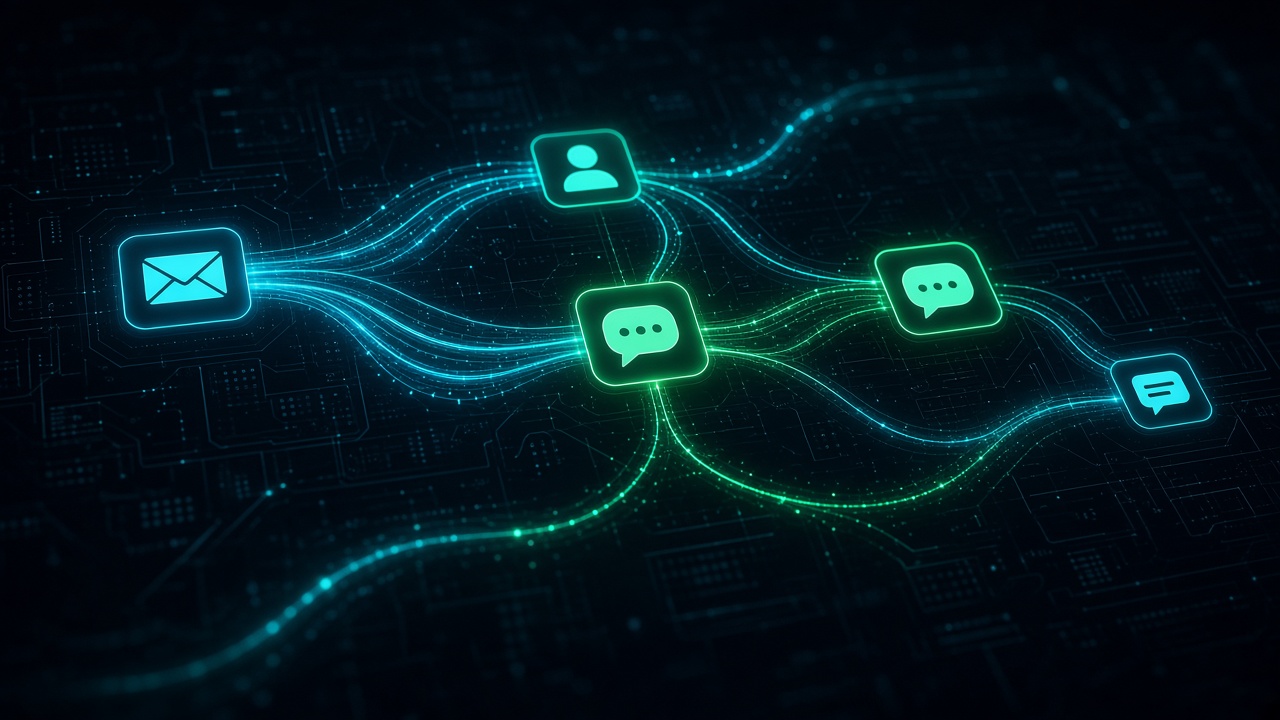
An AI feature is a chatbot widget on an otherwise static app. An AI-native product redesigns journeys around retrieval, prediction, and assistance: semantic search, form fill, document understanding, and agents that take bounded actions with audit trails.
Indian users reward usefulness over novelty. If the assistant cannot complete a task with your real data, it becomes a support liability.
Patterns that work in production
- RAG over your policies, catalogues, or FAQs so answers stay grounded.
- On-device helpers for OCR, autofill, and offline checks where latency or privacy matters.
- Voice and vernacular flows for Tier 2 and Tier 3 users who prefer speaking to typing.
- UPI-aware commerce where the assistant helps finish payment, not just chat about it.
Architecture choices that keep you honest
Separate the model from the tools. The model proposes. Your API layer enforces auth, limits, and logging. Show the user what the agent did. Escalate to humans without losing context. This is how insurance, logistics, and retail assistants move from demos to production.
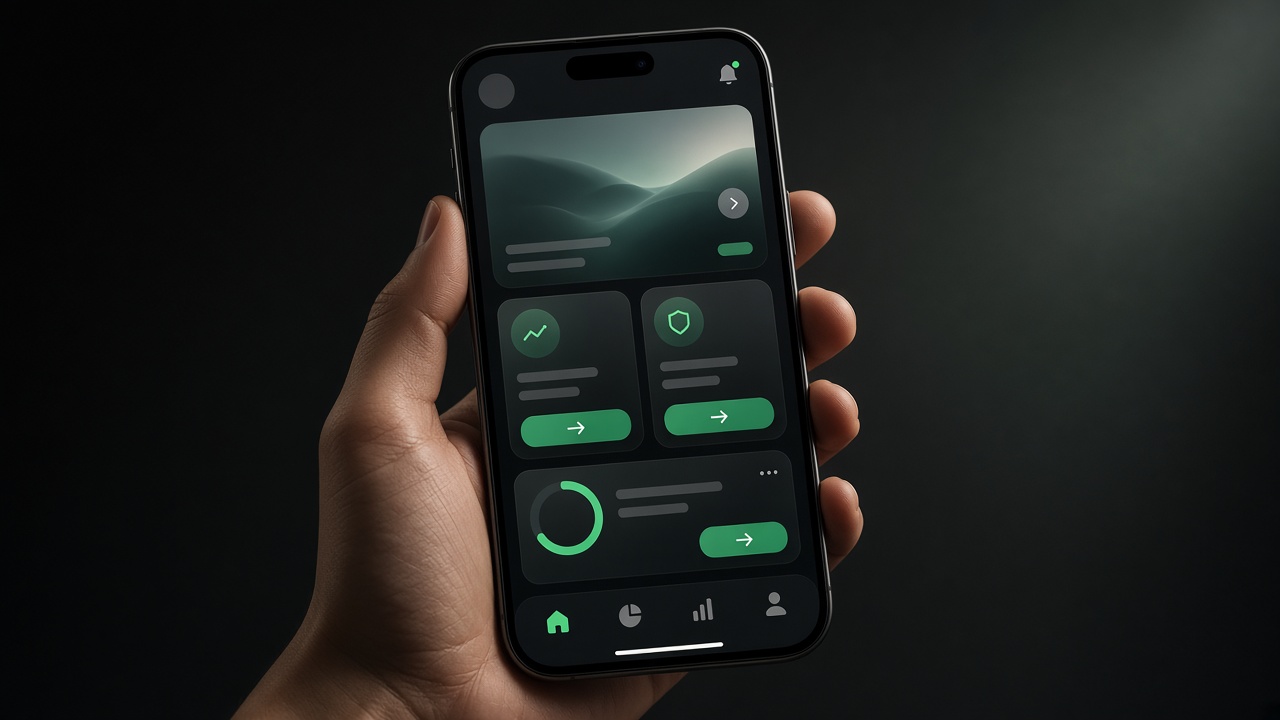
Cross-platform stacks like Flutter remain common for India MVPs because one codebase covers Android and iOS while you iterate on AI flows. Native modules still appear for specialized device features.
Compliance and trust
Personal data flowing through prompts and vendors is still personal data under the DPDP Act. Log consent purposes, minimize what you send to model providers, and plan deletion. Do not hide model providers in fine print your users never see.
Scoping an MVP without drowning
Pick one job: answer policy questions, triage tickets, or help complete an order. Define evaluation examples before build. Measure deflection, task success, and escalation quality. Expand only when those numbers hold.
Conclusion
AI-native apps win when they finish work, not when they sound clever. EasyPeeze Technologies builds mobile and backend systems where AI is wired to real data and safe actions.
FAQs
What is an AI-native mobile app?
An app whose core journeys use retrieval, prediction, or assisted actions, not just a decorative chatbot overlay.
Do we need on-device AI?
Use on-device models when offline, latency, or privacy matter. Use cloud models when you need heavier reasoning over large knowledge bases.
How long does an AI MVP take?
A focused first version often lands in a similar window to a standard MVP, plus time for evaluation sets and guardrails. Ask for a scoped plan.
Is Flutter suitable for AI apps?
Yes for many business apps. Plan native bridges only where you need specialized device capabilities.
Ready to build?
Share your brief. EasyPeeze Technologies replies with fit, timeline and a clear commercial path.