Why automation is a 2026 priority for Indian SMEs
Most Indian SMEs do not need a full ERP rewrite. They need fewer dropped leads, fewer WhatsApp follow-ups that vanish into chat history, and fewer spreadsheets that only one person understands. Workflow automation connects the tools you already use so repetitive steps run without copy-paste.
In 2026 the pressure is sharper: customers expect same-day replies, GST and banking ops still generate document chase, and hiring another coordinator is expensive. Automation is not about removing people. It is about removing the busywork that burns people out.
What workflow automation is (and is not)
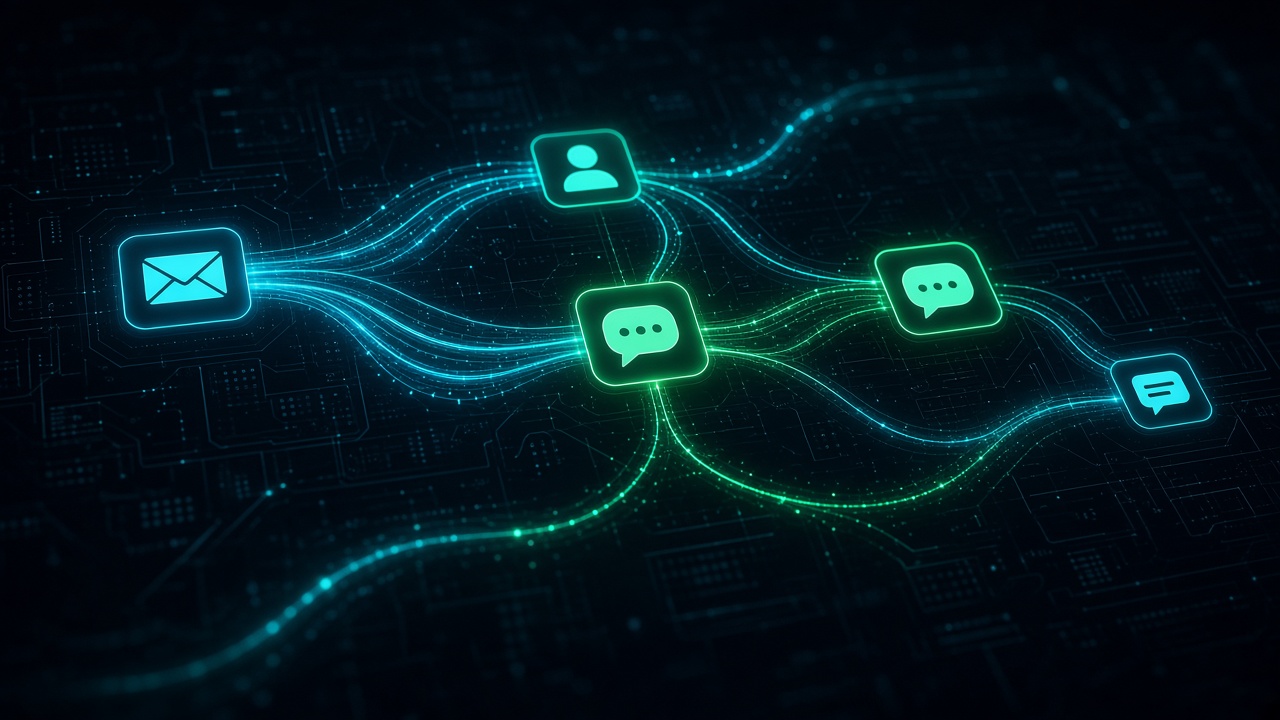
Automation is a set of rules and integrations that move data and tasks between systems when something happens. Example: a website form creates a CRM deal, assigns an owner, sends a WhatsApp acknowledgement, and schedules a reminder if nobody replies in 24 hours.
- It is not a chatbot bolted on with no backend access.
- It is not RPA for every desktop click when a clean API exists.
- It is not replacing judgement-heavy sales or support with a black box.
Highest-ROI use cases we see in India
Lead capture to first response
Forms, Instagram DMs, and WhatsApp Business inboxes often sit in different places. Unify them into one queue with ownership, SLA timers, and a first reply template. Speed-to-lead is still the cheapest conversion lever for local service businesses.
Quote, approval, and invoice handoff
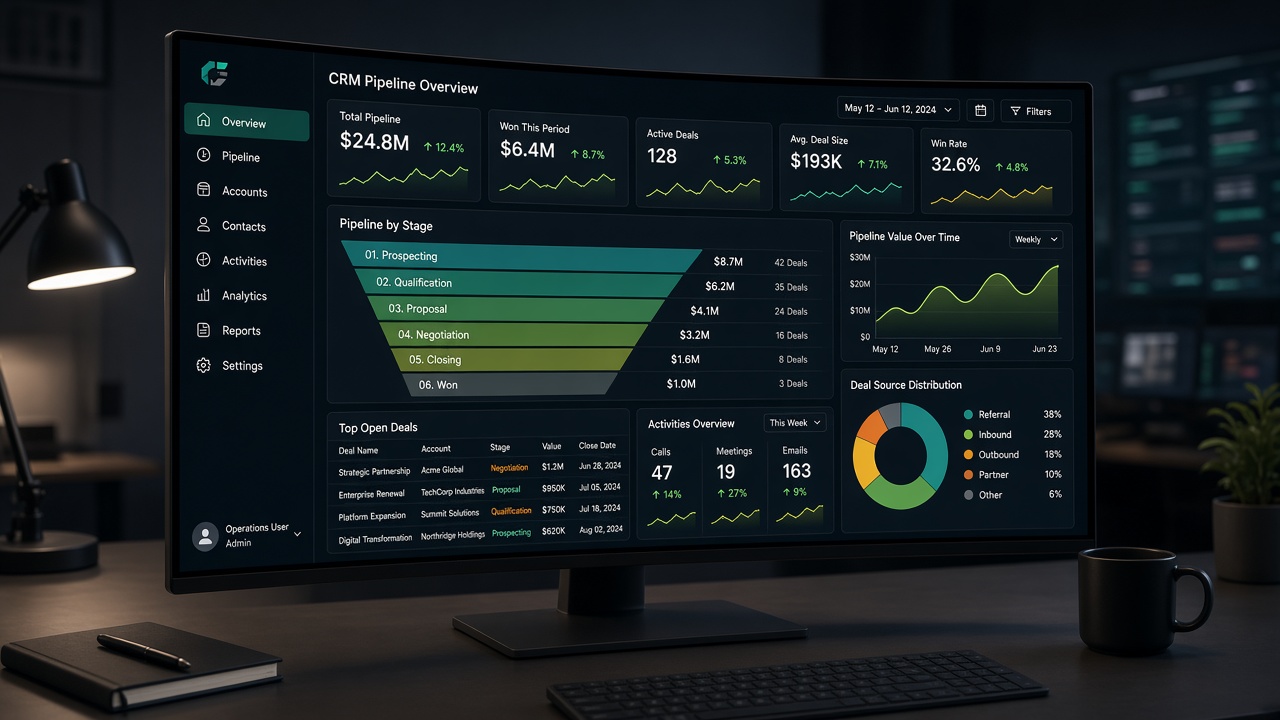
When a quote is approved, auto-create the invoice draft, attach the PDF, and notify accounts. Manual handoffs between sales and finance are where revenue leaks.
Support triage
Tag tickets by product line, route refunds to one queue, and escalate only when keywords or wait time trip a rule. Keep humans for edge cases.
Internal ops reminders
KYC packs, delivery confirmations, and renewal dates belong in systems with reminders, not calendar sticky notes.
Build shape that survives growth
Start with one workflow that has clear trigger, clear owner, and a measurable outcome (time-to-first-reply, quote cycle time, missed follow-ups). Document the happy path and the failure path. Prefer tools with real APIs over fragile UI scrapers.
For India-specific stacks, plan for WhatsApp templates, UPI payment callbacks, and GST invoice PDFs. If personal data is involved, design consent and retention into the flow early. See our DPDP guide for builders for the compliance clock.
Cost and timeline reality
A focused automation slice (one funnel, one CRM, WhatsApp notifications) often lands in a few weeks once systems and credentials are available. Multi-department orchestration with custom dashboards is a product, not a weekend zap. Budget for monitoring: dead webhooks and silent failures are how automation loses trust.
Conclusion
Automation pays when it removes a repeated, rule-based delay that customers or staff feel every day. Pick one painful path, wire it cleanly, measure it, then expand. EasyPeeze Technologies builds these workflows as part of custom software and integration work so you own the result.
FAQs
What is workflow automation for SMEs?
It connects your forms, chat, CRM, and back-office tools so repetitive steps run automatically when a trigger fires, with humans kept for exceptions.
How much does workflow automation cost in India?
Book a call for a scoped quote. Cost depends on systems, rules, WhatsApp or payment integrations, and whether you need a custom dashboard.
Should we use Zapier-style tools or custom software?
Lightweight glue works for simple paths. Custom software wins when rules are complex, volumes grow, or you need audit trails and ownership of the logic.
Can automation include WhatsApp?
Yes, via official WhatsApp Business APIs and approved templates. Unofficial scrapers break and create compliance risk.
Ready to build?
Share your brief. EasyPeeze Technologies replies with fit, timeline and a clear commercial path.